

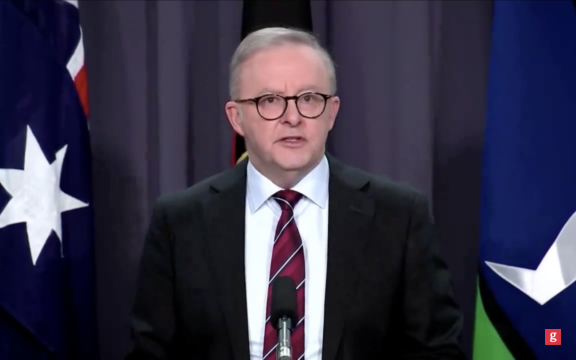
PERSON: Anthony Albanese
Employer
Government of Australia
Position
Prime Minister
Biography
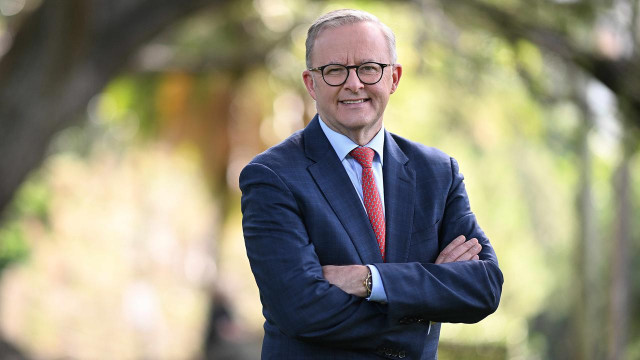
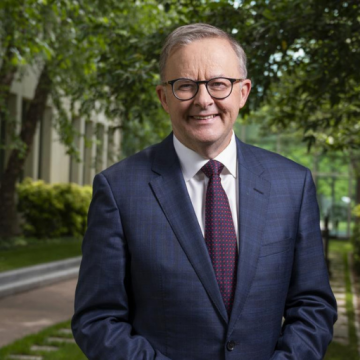
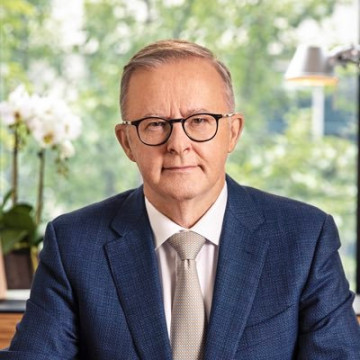
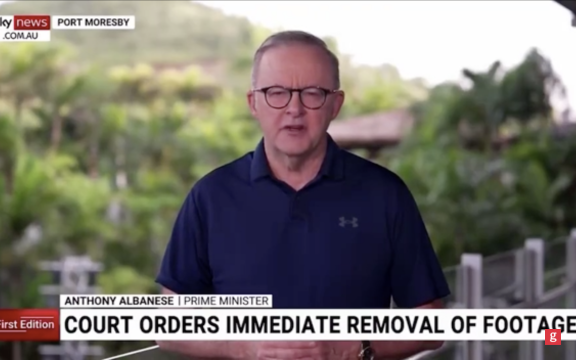
Anthony Norman Albanese (born 2 March 1963) is an Australian politician who is the 31st and current prime minister of Australia since 2022. He has been the leader of the Labor Party (ALP) since 2019 and a member of parliament (MP) for the New South Wales division of Grayndler since 1996. Albanese previously served as the 15th deputy prime minister under the second Rudd government in 2013. He held various ministerial positions from 2007 to 2013 in the governments of Kevin Rudd and Julia Gillard.
Albanese was born in Sydney to an Italian father and an Irish-Australian mother, who raised him alone. Albanese attended St Mary’s Cathedral College and studied economics at the University of Sydney. As a student, he joined the Labor Party and later worked as a party official and research officer before entering Parliament.
Rudd retired from politics, so Albanese stood against Bill Shorten in the October 2013 Australian Labor Party leadership election. Although Albanese won a large majority of the membership, Shorten won more heavily among Labor MPs and became leader. Shorten subsequently appointed Albanese to his Shadow Cabinet. After Labor’s surprise defeat in the 2019 election, Shorten resigned as leader, with Albanese becoming the only person nominated in the leadership election to replace him; he was subsequently elected unopposed as leader of the Labor Party, becoming Leader of the Opposition.
In the 2022 election, Albanese led his party to victory against Scott Morrison’s Liberal-National Coalition. He was sworn in on 23 May 2022. Albanese’s first acts as prime minister included proposing a change to the Constitution to include an Indigenous Voice to Parliament, updating Australia’s climate targets to reach carbon neutrality by 2050, and supporting an increase to the national minimum wage. Albanese led his government’s response to Australia’s cost-of-living crisis caused by the 2021–2023 inflation surge, created the National Anti-Corruption Commission, made major changes to Australian labour law, introduced a ban on children under the age of 16 from using social media platforms, established the Royal Commission into the Robodebt Scheme and expanded paid parental leave. In foreign policy, Albanese pledged further logistical support to Ukraine to assist with the Russo-Ukrainian war, attempted to strengthen relations in the Pacific region, and oversaw an easing of tensions and trade restrictions put on Australia by China. He also administered the official commencement of the AUKUS security pact between Australia, the United States, and the United Kingdom.
>> Wikipedia
Albanese was born in Sydney to an Italian father and an Irish-Australian mother, who raised him alone. Albanese attended St Mary’s Cathedral College and studied economics at the University of Sydney. As a student, he joined the Labor Party and later worked as a party official and research officer before entering Parliament.
Rudd retired from politics, so Albanese stood against Bill Shorten in the October 2013 Australian Labor Party leadership election. Although Albanese won a large majority of the membership, Shorten won more heavily among Labor MPs and became leader. Shorten subsequently appointed Albanese to his Shadow Cabinet. After Labor’s surprise defeat in the 2019 election, Shorten resigned as leader, with Albanese becoming the only person nominated in the leadership election to replace him; he was subsequently elected unopposed as leader of the Labor Party, becoming Leader of the Opposition.
In the 2022 election, Albanese led his party to victory against Scott Morrison’s Liberal-National Coalition. He was sworn in on 23 May 2022. Albanese’s first acts as prime minister included proposing a change to the Constitution to include an Indigenous Voice to Parliament, updating Australia’s climate targets to reach carbon neutrality by 2050, and supporting an increase to the national minimum wage. Albanese led his government’s response to Australia’s cost-of-living crisis caused by the 2021–2023 inflation surge, created the National Anti-Corruption Commission, made major changes to Australian labour law, introduced a ban on children under the age of 16 from using social media platforms, established the Royal Commission into the Robodebt Scheme and expanded paid parental leave. In foreign policy, Albanese pledged further logistical support to Ukraine to assist with the Russo-Ukrainian war, attempted to strengthen relations in the Pacific region, and oversaw an easing of tensions and trade restrictions put on Australia by China. He also administered the official commencement of the AUKUS security pact between Australia, the United States, and the United Kingdom.
>> Wikipedia
ClipsBank
Full
Compact
NewsBase
Full
Compact
RadioBank
Full
Compact
PodBank
Full
Compact
TranscriptBank
Full
Compact
No data found


